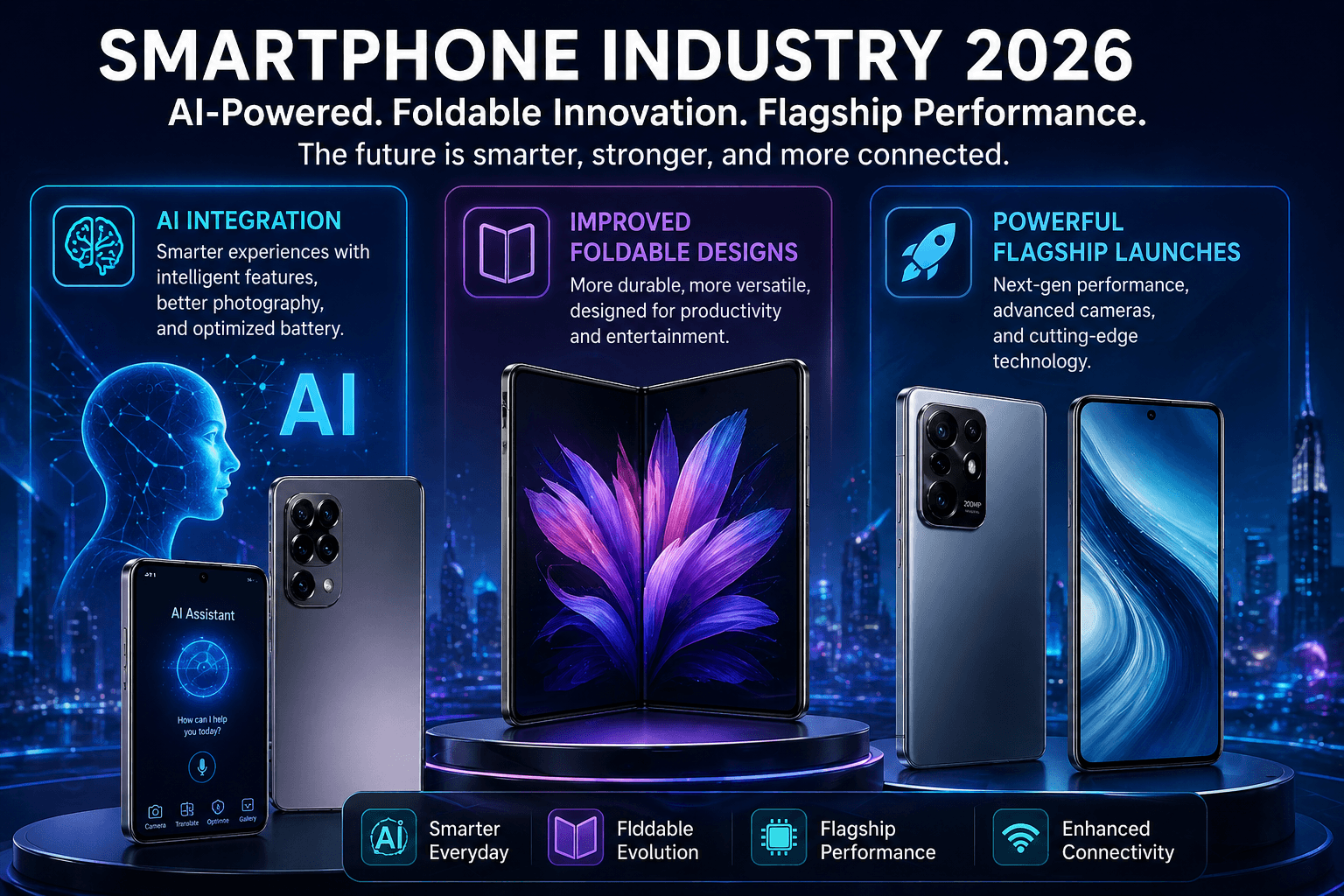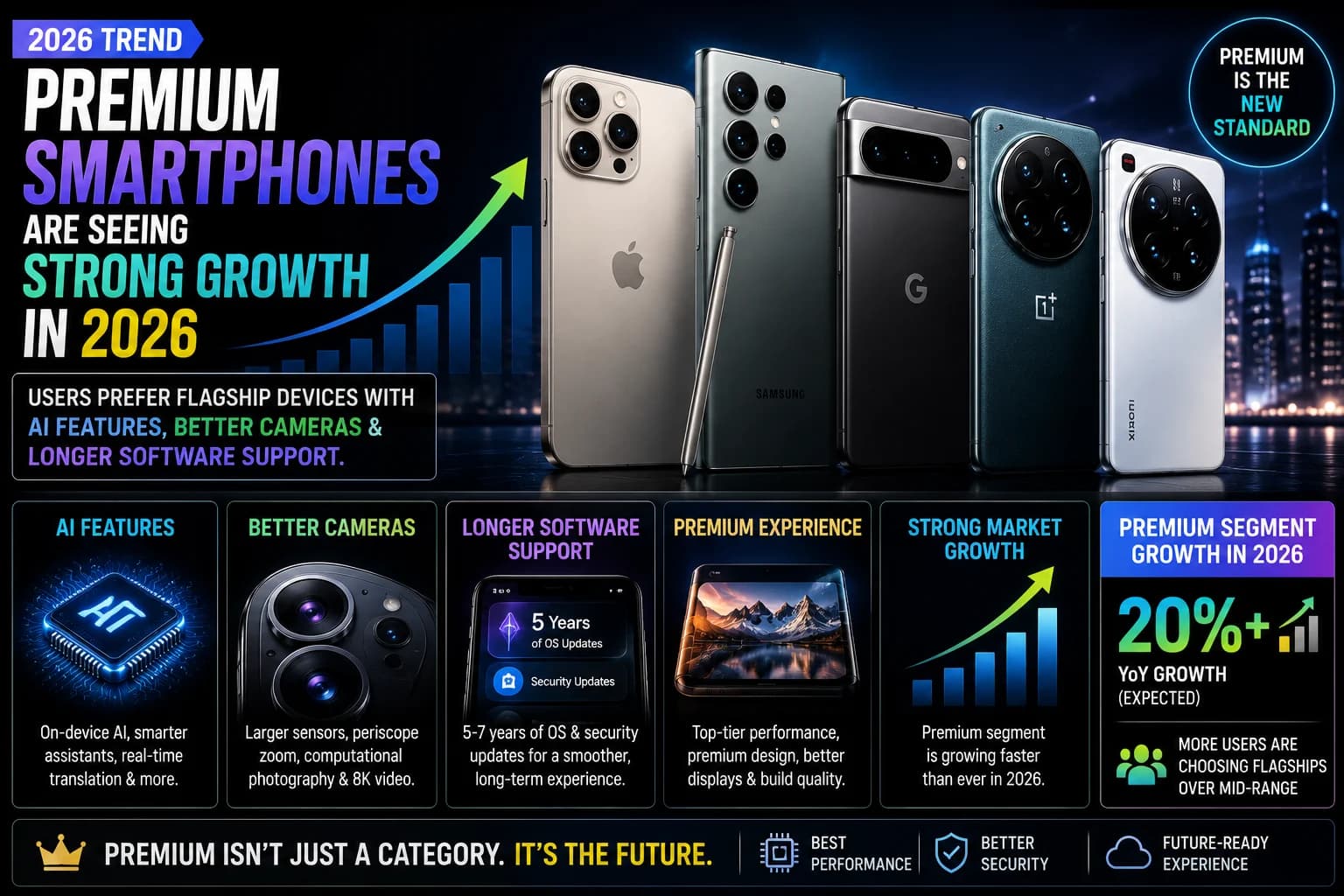
The global smartphone market is undergoing a major transformation in 2026. While overall smartphone sales growth remains relatively slow, premium smartphones are emerging as the strongest-performing segment in the industry.
According to recent market reports and industry analysis, flagship devices from companies like Samsung, Apple, Xiaomi, Vivo, and OnePlus are driving most of the market’s profits and consumer attention.
Consumers are now increasingly willing to spend more on premium devices that offer:
- advanced AI features
- flagship camera systems
- powerful processors
- longer software support
- premium design
- foldable innovation
This trend is reshaping the smartphone industry and forcing manufacturers to rethink their product strategies.
In this article, we will explore why premium smartphones are growing rapidly, how AI is changing flagship devices, why mid-range phones are slowing down, and what this means for smartphone buyers in 2026.
The Smartphone Market Is Changing
For many years, mid-range smartphones dominated global smartphone sales. Affordable devices with decent specifications became increasingly popular because they offered good value for money.
However, the market is now shifting.
Instead of upgrading frequently, users are keeping smartphones for longer periods. Many consumers now upgrade every:
- 3 years
- 4 years
- or even longer
As a result, when users finally decide to upgrade, they increasingly prefer premium smartphones that can last longer and offer better experiences.
This has created strong demand for flagship devices.
Why Premium Smartphones Are Growing Rapidly
There are several important reasons behind the rise of premium smartphones in 2026.
1. AI Features Are Mostly Available on Flagship Phones
Artificial intelligence has become one of the biggest smartphone trends.
Modern AI features include:
- AI photo editing
- live translation
- AI writing assistance
- smart summaries
- voice-based automation
- contextual search
- intelligent multitasking
However, many of these features require:
- advanced processors
- dedicated AI chips
- large memory capacity
- powerful GPUs
Because of this, most advanced AI features are currently limited to premium flagship devices.
Companies like Samsung and Google are heavily promoting AI-first smartphones.
This is encouraging more consumers to buy high-end devices.
2. Consumers Want Better Cameras
Smartphone cameras have become extremely important for modern users.
People now use smartphones for:
- social media content
- professional photography
- video creation
- vlogging
- live streaming
Premium smartphones usually offer:
- larger camera sensors
- advanced zoom systems
- AI image processing
- better low-light photography
- 8K video recording
- cinematic video modes
This creates a major difference between flagship phones and budget devices.
As creator culture grows worldwide, camera quality continues driving premium smartphone demand.
3. Longer Software Support Is Increasing Value
Another major factor is software longevity.
Premium smartphones now often receive:
- 5 years of updates
- 7 years of security support
- long-term Android upgrades
For example:
- Samsung has expanded long-term software support
- Apple continues leading in update longevity
Consumers increasingly see premium phones as long-term investments rather than short-term purchases.
4. Foldable Smartphones Are Expanding the Premium Market
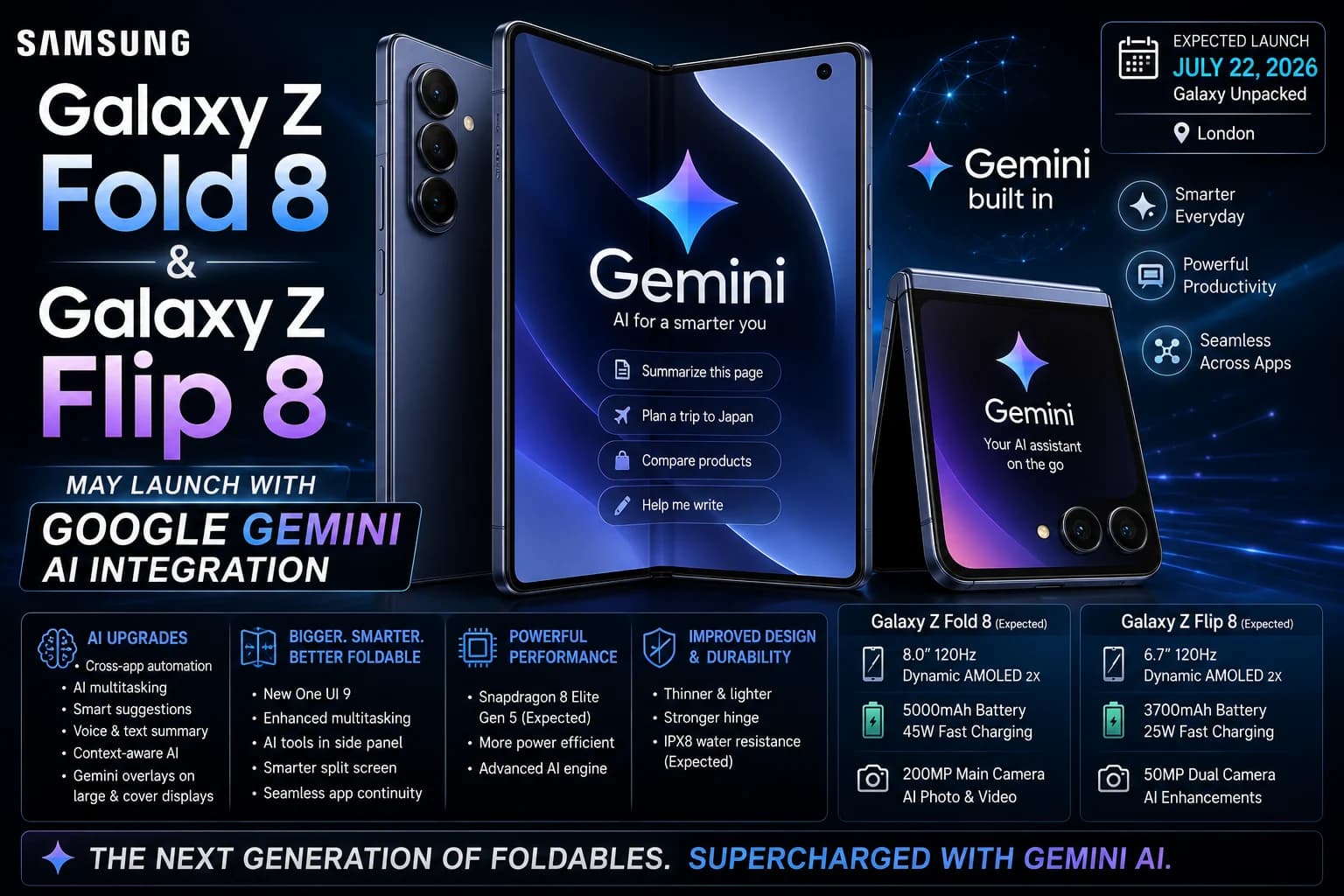
Foldable devices are also contributing significantly to premium smartphone growth.
Products like:
- Samsung Galaxy Z Fold series
- Samsung Galaxy Z Flip series
- Motorola Razr Fold
have created entirely new premium smartphone categories.
Foldables attract users interested in:
- multitasking
- productivity
- futuristic design
- large displays
- premium experiences
As foldable technology improves, this market segment is growing rapidly.
5. Premium Phones Offer Better Build Quality
Consumers also value durability and premium materials.
Flagship smartphones typically include:
- titanium or aluminum frames
- stronger glass protection
- water resistance
- better display technology
- advanced cooling systems
These improvements create a more premium user experience.
Many buyers now prefer paying more upfront for higher quality devices.
Mid-Range Smartphones Are Facing Challenges
While premium smartphones are growing, the mid-range segment is becoming increasingly competitive and crowded.
Several problems are affecting mid-range devices:
- limited innovation
- smaller performance differences
- weaker AI support
- slower software updates
- camera limitations
As flagship features become more important, many users feel premium devices provide better long-term value.
This does not mean mid-range phones are disappearing, but the growth rate is slowing significantly.
AI Is Becoming the Biggest Premium Smartphone Feature
In 2026, artificial intelligence may become even more important than hardware specifications.
Companies are now competing heavily using:
- AI assistants
- AI ecosystems
- smart automation
- AI-generated content
- contextual intelligence
For example:
- Google is integrating Gemini AI deeply into Android
- Samsung is focusing on Galaxy AI
- Apple is investing heavily in Apple Intelligence
Premium smartphones are becoming AI-powered personal assistants rather than simple communication devices.
Premium Smartphone Buyers Are Changing
Today’s premium smartphone buyers include:
- creators
- professionals
- gamers
- business users
- photographers
- tech enthusiasts
Many consumers now rely heavily on smartphones for work and productivity.
This increases willingness to spend more on high-performance devices.
India Is Becoming a Major Premium Smartphone Market
India’s premium smartphone market is also growing rapidly.
Earlier, budget smartphones dominated the Indian market. However, increasing incomes, financing options, and creator culture are changing consumer behavior.
Premium brands are seeing strong growth in India, especially in:
- metro cities
- creator communities
- gaming users
- business professionals
Companies are now launching premium devices in India much faster than before.
Which Brands Are Leading the Premium Smartphone Race?
Several brands are currently dominating the premium segment.
Samsung
Leading foldables and AI-powered Android devices.
Apple
Strong ecosystem and premium brand loyalty.
Xiaomi
Aggressive flagship hardware and pricing strategy.
OnePlus
Popular among performance-focused users.
Vivo
Strong camera-focused premium smartphones.
Future of the Smartphone Industry
Industry experts believe the smartphone market will increasingly split into two categories:
- affordable budget devices
- ultra-premium flagship smartphones
The middle segment may continue facing pressure.
Future premium smartphones are expected to focus heavily on:
- AI experiences
- foldable innovation
- smarter ecosystems
- advanced cameras
- battery optimization
- extended longevity
This shift could completely redefine smartphone competition over the next few years.
Should Consumers Buy Premium Smartphones?
Premium smartphones are not necessary for every user.
However, they may offer strong value for users who prioritize:
- photography
- productivity
- gaming
- multitasking
- software support
- AI features
For light users, mid-range devices may still provide excellent value.
But for users wanting the latest innovation and long-term performance, flagship smartphones are becoming increasingly attractive.
Final Verdict
Premium smartphones are becoming the strongest-performing segment in the global smartphone market in 2026.
AI-powered experiences, better cameras, foldable innovation, premium design, and longer software support are pushing more consumers toward flagship devices.
As smartphone innovation increasingly shifts toward artificial intelligence and ecosystem integration, premium phones are likely to dominate the future of the industry.
The smartphone market is no longer only about affordability. It is now increasingly about smarter experiences, long-term value, and premium innovation.
Patel Dipesh